Computer literacy
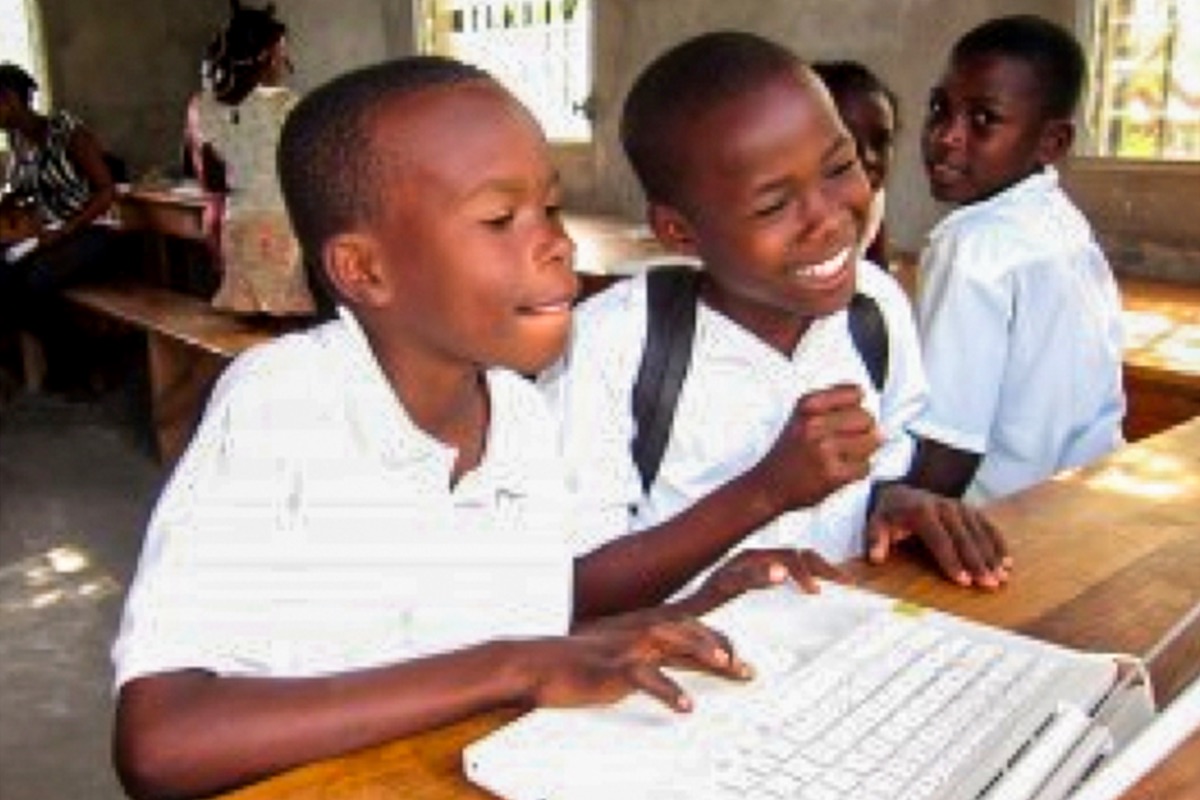
Operating a computer, managing files, typing, working in an office suite, and using a browser and email safely. Many students have never used a computer — this is where most will begin.

Haitian staples and delicacies collected by the At Risk Children Foundation and Save the Kids. Buy the digital edition and the funds go straight to the Launchpad.
Opens ARCF’s cookbook site, Cooking4aCause.com
Gifts are made directly to the At Risk Children Foundation, a registered 501(c)(3), which receives the funds and issues your receipt.
Among the hardest anywhere in the world. Sources are listed at the foot of this page.
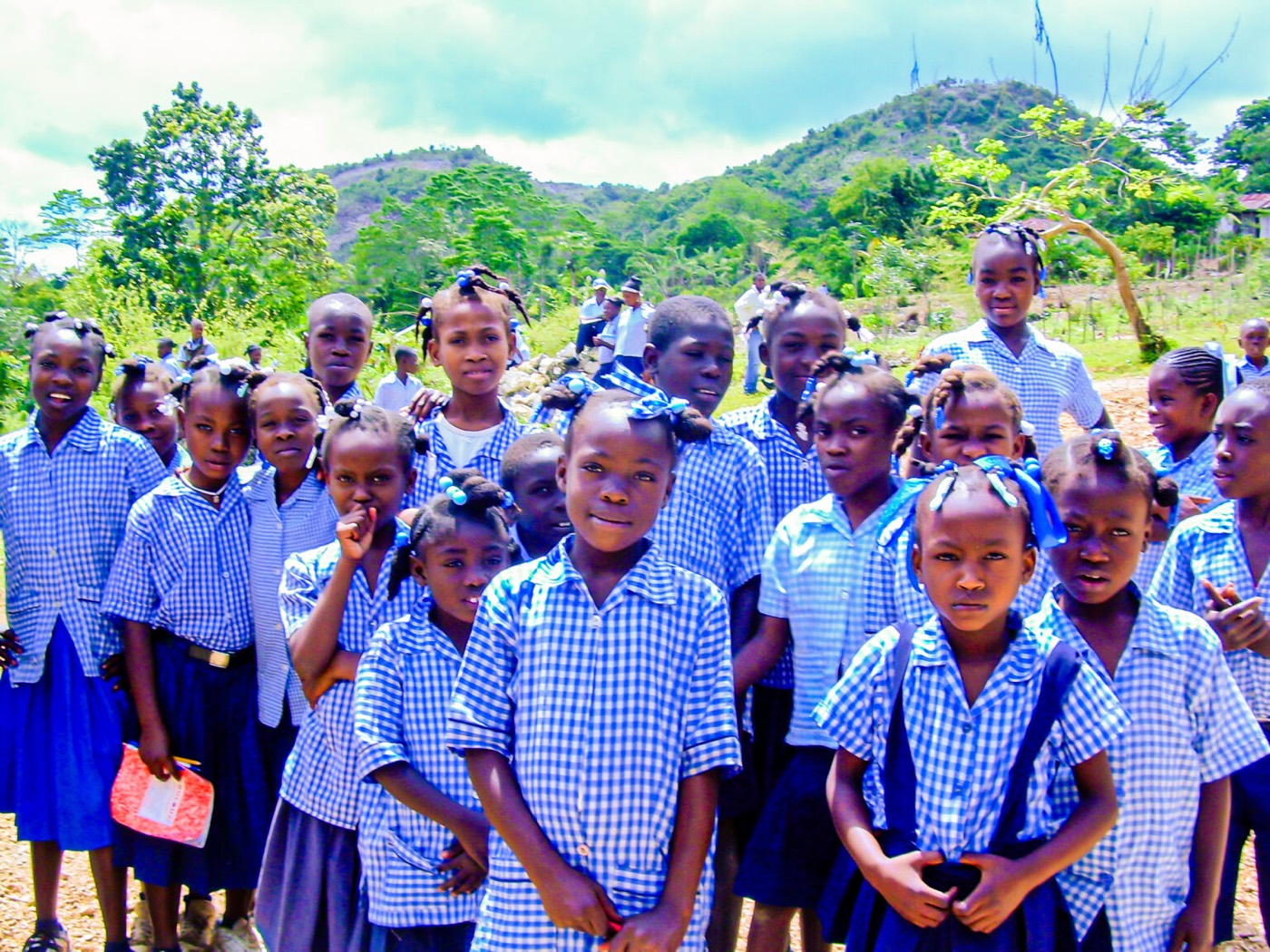
Since 2002 the At Risk Children Foundation has given Haitian children a home, meals and a place in school. It is a registered 501(c)(3) with more than twenty years behind it, and it has the structure and the students already. That is what makes this pilot possible.
What those students do not have are computers to learn on. Most of the young people in ARCF’s care finish secondary school without having used one.4 They leave capable and motivated but with little if any computer skills, into a job market that asks for credentials they don’t have. The Knowledge Bank Foundation intends to change that, beginning with a small cohort of students in Port-au-Prince.
“Knowledge, once someone has it, cannot be taken from them and does not depreciate — it is the one asset that holds its value under any conditions.”
The Chez Moi Digital Launchpad — pilot program plan
The English and web design strands are built on freeCodeCamp, whose curriculum and certifications carry no license fees and no per-student cost. Everything raised for this pilot goes to the facility, the equipment, and the people on the ground keeping Chez Moi running.
Operating a computer, managing files, typing, working in an office suite, and using a browser and email safely. Many students have never used a computer — this is where most will begin.
Delivered through freeCodeCamp’s English for Developers curriculum, which is free and issues verified certificates. English is the working language of documentation, source code and technical interviews; without it the rest of the curriculum does not open up.
HTML, CSS, layout, accessibility and a portfolio of working projects, again through freeCodeCamp, ending in an internationally recognized certificate.
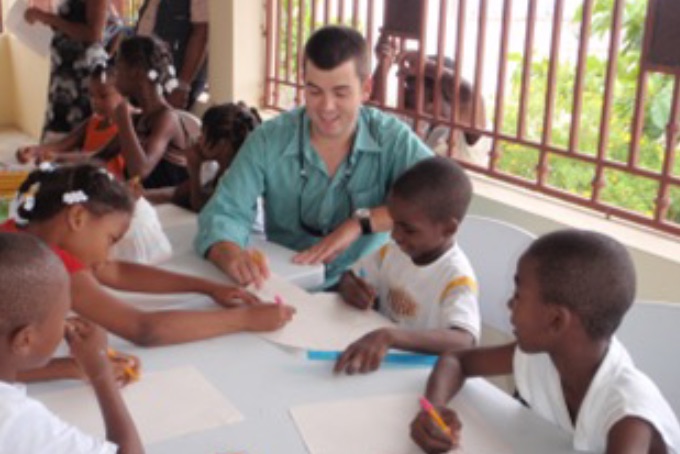
TKBF will recruit and pay one local student teacher to work with students through the curriculum day to day. TKBF instructors will travel to Port-au-Prince for training and check-up visits, and between those visits will be available by video conference for IT support and curriculum assistance — so the local teacher is never left without backup.
Students will come from ARCF’s care. This is not a program for young adults only — ARCF supports students across a wide range of ages, and the pilot is open to them. Where the students and the resources exist, local students from the surrounding area will be included as well.
Every student will also learn English if they do not already speak it.
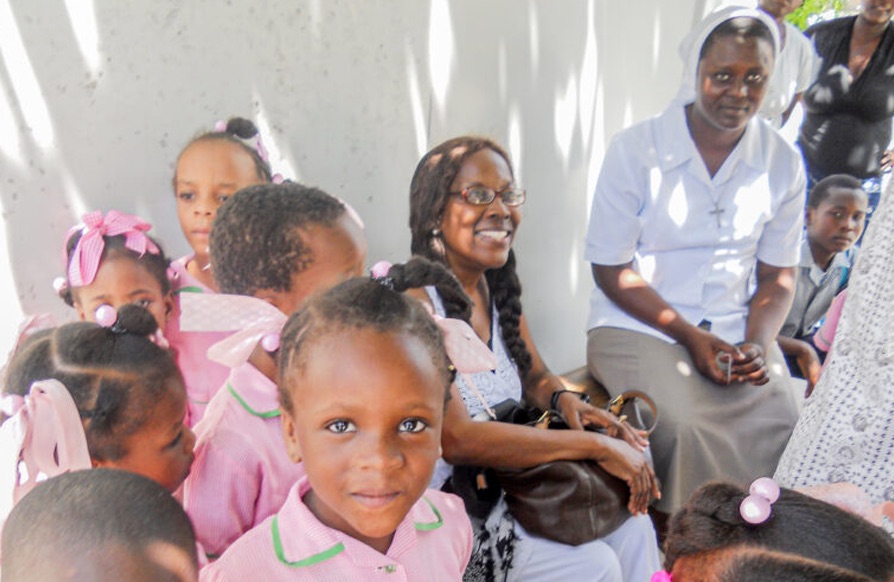
This pilot is run with the At Risk Children Foundation (ARCF), which has housed, fed and schooled Haitian children since 2002. ARCF brings more than twenty years of structure, and the students. The Knowledge Bank Foundation brings the lab, the curriculum, the teacher and the instructors behind them.
ARCF co-founder: Marlene Mathurin.
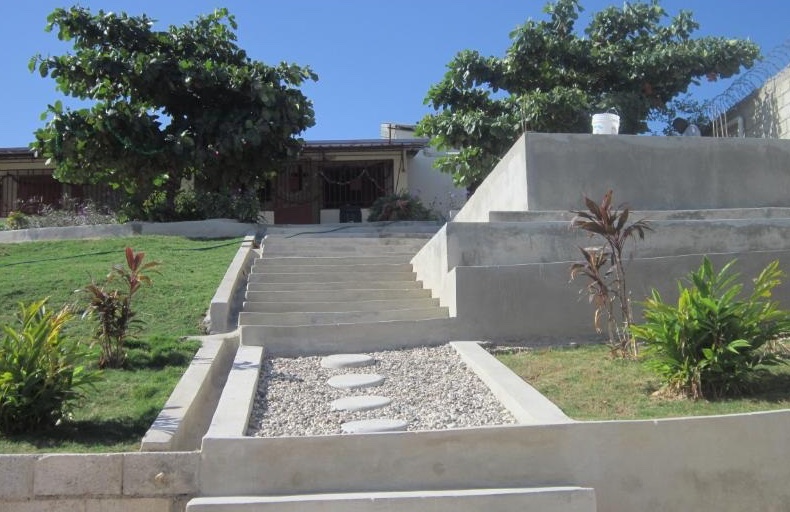
Chez Moi is a house in Port-au-Prince that already has running water, power, solar panels, a generator, backup batteries and stable wifi. We will turn it into a teaching space, starting with ten to fifteen laptops — enough to run a real class.
Operating the Launchpad at Chez Moi for one year is estimated at approximately $38,000. That figure is the fundraising goal for a first year of the project at this scale.
Water, electricity, internet, propane, garbage collection, cleaning and sanitation, meals, and the routine maintenance that keeps the house running.
A housekeeper/cook to prepare meals for students, a groundskeeper, night and daytime security, an additional security guard, and a local student teacher who works with students through the curriculum day to day.
An upgraded generator, tax-free shipping to bring ten to fifteen donated laptops into Port-au-Prince, and folding tables and chairs for the teaching space.
Every gift goes to keeping the house open, the teaching space equipped and the staff running it paid.
TKBF and ARCF members hold volunteer positions — only local, Haitian, on-site staff and students will benefit from your donation.
Any amount, toward the approximately $38,000 it takes to run the Launchpad at Chez Moi for its first year.
Just 64 donors giving $50 a month would fund the entire first year.
PayPal opens on One-Time — tap Monthly at the top, then choose $50.
We are relying on donated laptops for the teaching space, so every dollar raised can go to keeping the facility running.
Other ways to give. We also accept checks, donor-advised fund grants, employer matching, and in-kind donations of laptops and equipment. Email rob@theknowledgebankfoundation.org and a human will reply.
Where your payment goes: money gifts are made through the At Risk Children Foundation’s own PayPal donation page for the Launchpad, which accepts PayPal, Venmo, or any debit or credit card. ARCF is a registered 501(c)(3); they receive your gift, issue your receipt, and help run the program on the ground in Haiti.
This is TKBF’s first pilot program. It is deliberately small, and it is meant as a starting point for larger projects, both in the United States and abroad — serving more students than one house in Port-au-Prince ever can. If the need and the resources exist, we are prepared to scale, including running structured groups of students throughout the week rather than the single group the pilot begins with.
As we move forward, we are working toward growing partnerships with local, remote and overseas employers for alumni — which, for a student who wanted it, could open a pathway to immigration.
What this returns. Everything this program costs to run for a year, a single determined graduate will be able to earn in a year of employment in the future. A wage feeds a household and moves through a neighborhood economy. A young person who can support themselves is no longer a young person at risk. What this program asks for is one year of support. What it returns compounds, every year after that, for every student it reaches.
Students who complete the curriculum receive continued job placement assistance from TKBF.

C’est Si Bon! Haïtien Cuisine Cookbook is a collection of Haitian staples and delicacies put together by the At Risk Children Foundation and Save the Kids. Every copy carries the story of the children it supports.
The digital edition is $19.99 — buy it tonight and start cooking. The funds go directly to the Chez Moi Digital Launchpad.
Opens ARCF’s cookbook site, Cooking4aCause.com
The Knowledge Bank Foundation is awaiting its 501(c)(3) determination. Until it is granted, donations to this program are made directly to the At Risk Children Foundation, a registered 501(c)(3) — ARCF receives the funds, issues your receipt, and disburses them to the program. Please consult your tax advisor about deductibility.
No student will pay us for a seat. The freeCodeCamp curriculum and its certifications are free and remain free — nothing here carries a per-student license cost that grows as the program grows.
We will send the full Chez Moi Digital Launchpad pilot plan, or an honest answer about what is not working yet. Write to rob@theknowledgebankfoundation.org.